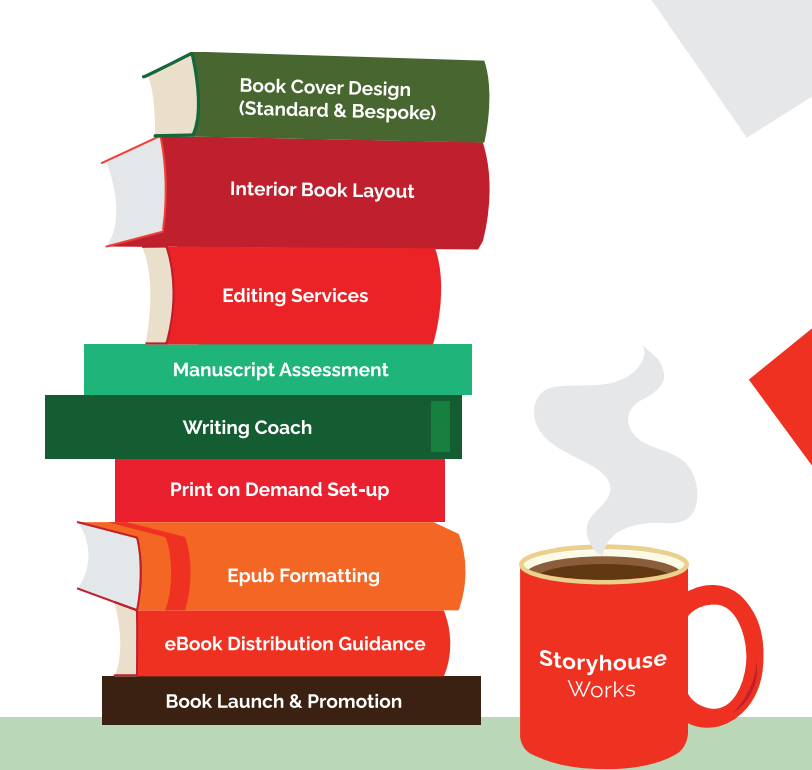
Hannah Huber is the author of two books, Place and Queens’ Row. She founded Storyhouse Works, a boutique indie-publishing house for international authors. Hannah lives in a small village just outside of Amsterdam with her Dutch husband and three children.
What inspired you to start Storyhouse Works, and what gap in publishing did you hope to address?
During the pandemic, I finally had the space to try my hand at writing—something I had long wanted to pursue more seriously. I wrote and self-published my debut novel, Place. I enjoyed collaborating with a group of talented freelancers so much that I went on to create a boutique publishing service to help other writers produce excellent books while maintaining as much creative control as possible. Unfortunately, self-publishing has developed a poor reputation over the years, with some authors releasing unedited material and using low-quality covers on platforms like Amazon. My goal is to change that by offering authors the opportunity to create high-quality, polished books comparable to those produced by traditional publishers.
What should authors know before choosing the self-publishing route in terms of the mindset, skills, and personality traits needed to succeed?
It takes grit, self-motivation, and patience to succeed in self-publishing. It’s like taking on a part-time job for the rest of your life. The more effort you put into promotion, the more books you’re likely to sell. The marathon doesn’t end when your manuscript goes to print—it’s only just beginning. You need to be open to learning and experimenting. There are various online platforms you’ll need to explore and master. You’ll have to track your sales, learn through trial and error, and consistently go the extra mile.
Storyhouse Works has helped bring a range of titles to life. Are there any standout projects that best reflect your approach to publishing and author support?
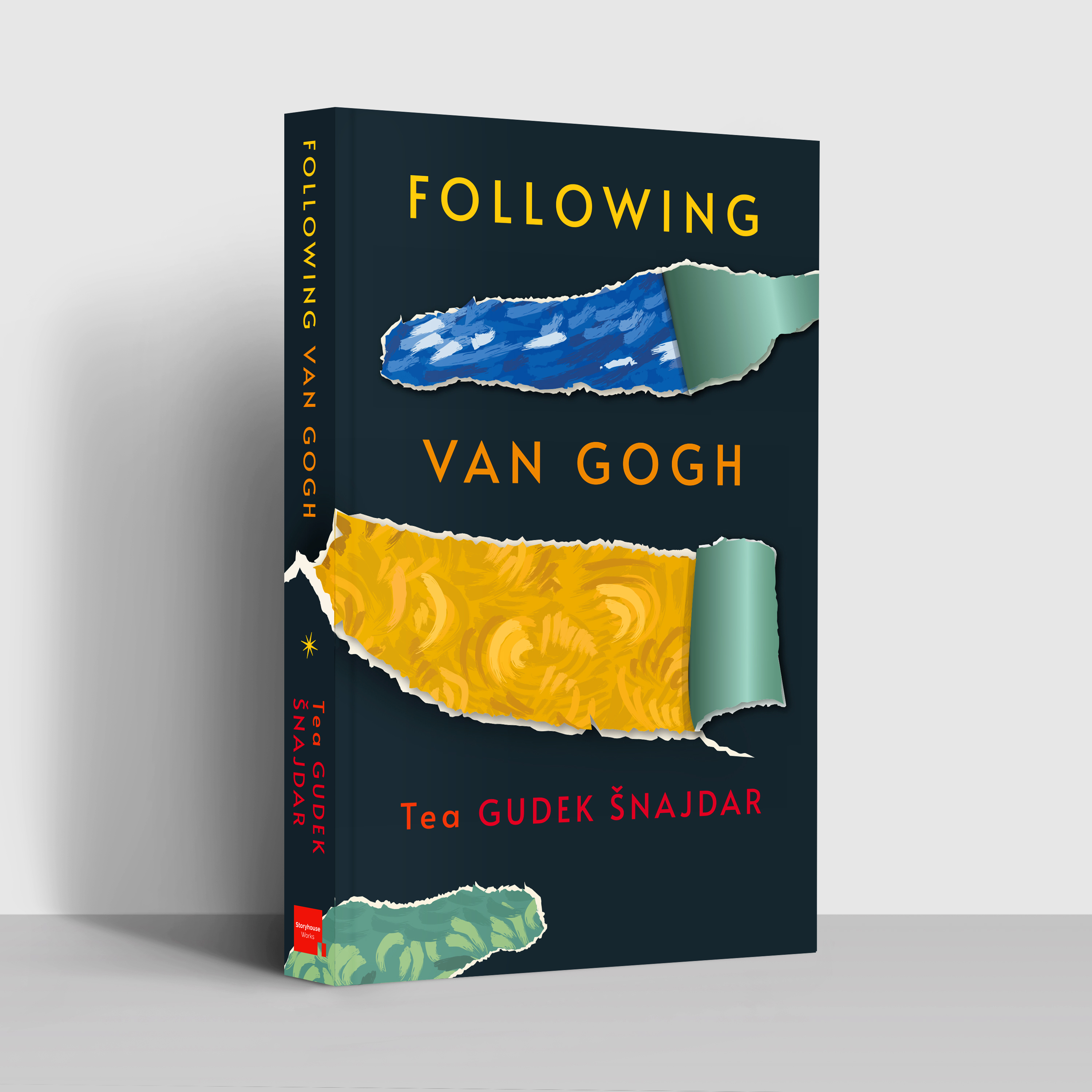
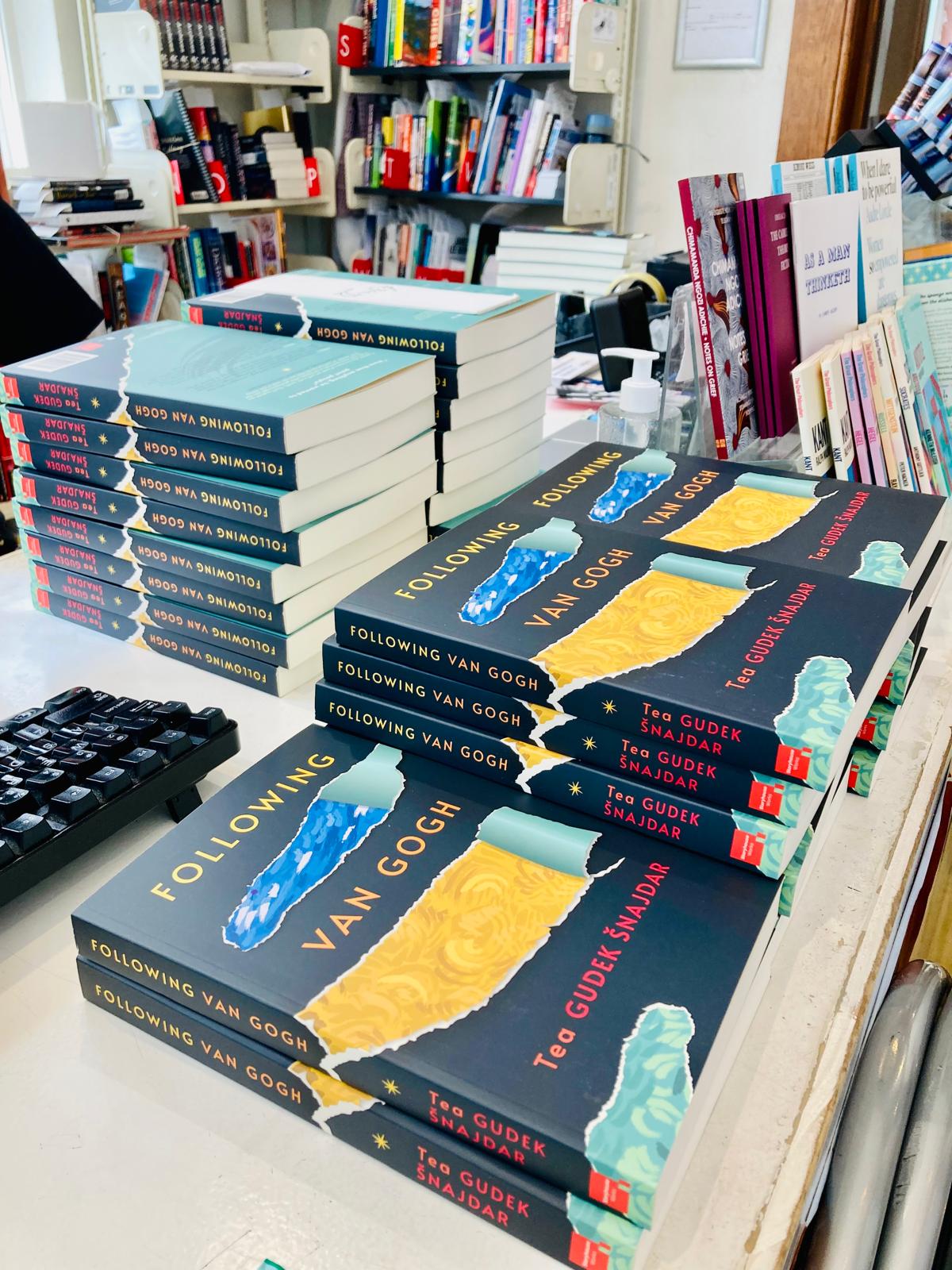
Tea Gudek Snajdar’s book Following Van Gogh is a great example of how we support an author from the initial idea all the way through to self-publication, with beautiful results. Tea is not a native English speaker, so we began by pairing her with a writing coach, Talia Stone, who helped her develop storytelling skills, plot, and character.
She then worked with another of our freelance editors, Rebecca Blunden, on developmental and line editing to further refine the manuscript. The book cover was a bespoke design by Cigdem Guven, created in close collaboration with Tea to ensure it was both visually compelling and true to the story and genre. Lisa Hall designed the interior layout, bringing a stylish approach that complements the art heist mystery/thriller.
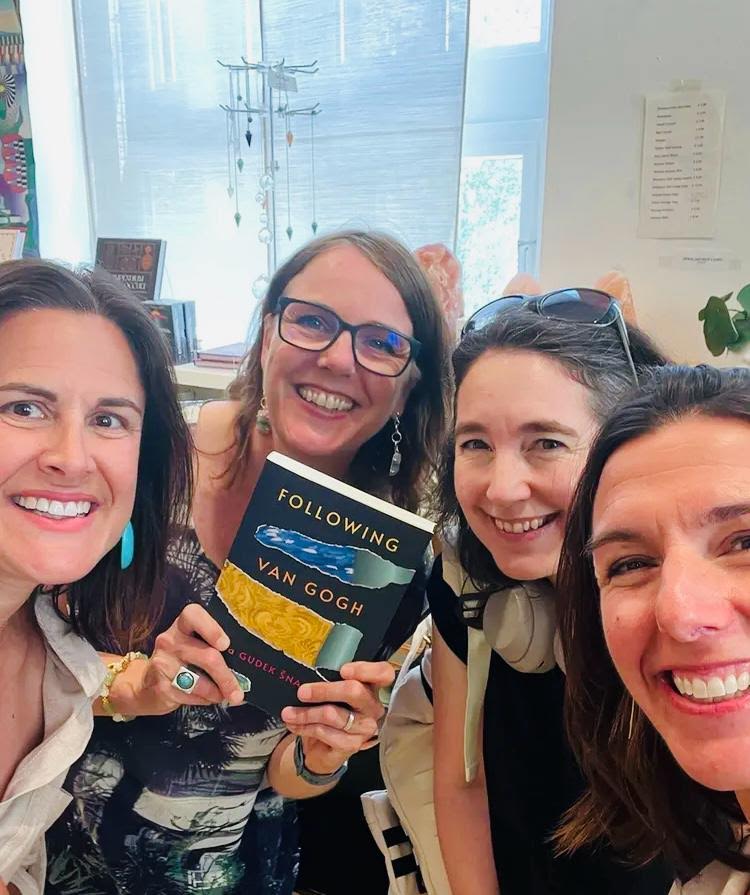
We also organized Tea’s book event at the American Book Center in Amsterdam. Because she runs an established business and has a loyal following through Culture Tourist, the book has performed well. She has partnered with institutions such as the Rijksmuseum and the Van Gogh Museum, offering complementary art tours alongside the book.
All in all, this was a rewarding project—both in seeing how the story evolved over time and in the strong collaboration among the Storyhouse Works team to produce a beautifully crafted book.
What challenges do authors commonly face during the writing process, and what should they consider when choosing an editor and the type of editing they need?
The biggest challenge is when a writer thinks their work is ready to go when it's not. But that's why we're here!
The relationship between writer and editor is absolutely fundamental to the success of any book. At its core, it requires trust. Writing is a deeply personal and often vulnerable process, and having an editor you trust—someone whose feedback you believe in—can make all the difference.
Because every writer is different, we place great emphasis on finding the right match. We use an extensive questionnaire to pair authors with editors based on factors such as preferred language style (British or American English), desired level of feedback, genre, and communication style. This helps create a strong, collaborative partnership where both sides feel aligned. Accountability also plays a key role—this is not just a service, but a creative partnership built on mutual respect and shared commitment to the work.
At Storyhouse Works, we support writers at every stage of their journey, from initial idea to final publication. Our services range from ghostwriting and writing coaching to manuscript assessment and full editorial support. Our experienced editing team brings expertise across a wide range of genres, ensuring that every manuscript receives the care and attention it deserves.
We also recognize that no two projects are the same. That’s why we offer tailored editing solutions, whether an author needs developmental editing, line editing, copy editing, or proofreading. Each manuscript goes through a rigorous quality assurance process, with meticulous attention to detail to ensure clarity, coherence, and consistency. There is no reason a self-published book cannot meet the same editorial standards as a traditionally published one.
Choosing the right type of editing depends on where you are in the writing process. If you are at the idea stage, working with a writing coach or book doctor can help shape your concept. For early drafts, a manuscript assessment or developmental edit is often the best next step. As the manuscript becomes more refined, line editing helps strengthen language and flow. Once the text is nearly publication-ready, copy editing ensures technical accuracy, and finally, proofreading provides a last check after layout before printing.
Investing in professional editing is an investment in your book’s success. A well-edited manuscript not only improves readability but also signals professionalism, credibility, and a serious commitment to quality.
You place a strong emphasis on design. Why does cover and interior design matter so much in self-publishing, and what does your design process look like?
People do judge a book by its cover. A strong cover not only needs to reflect the genre but also stand out in a crowded market.
Our design process begins with a dedicated intake involving the design team. We ask the author to create a mood board, gathering book covers that resonate with them, preferred color palettes, and comparable titles within their genre. This gives us a clear sense of their vision and positioning.
From there, our designers often brainstorm together—sometimes in person, surrounded by stacks of books for inspiration. They then develop several initial concepts for the author to review and choose from. For the interior, our layout specialists typically present two to three sample styles, exploring font choices for body text and chapter headings.
We pay close attention to every detail, including margins, gutter spacing, leading, page number placement, and both front and back matter. For cover design, we may begin with a basic mock-up to establish direction, then refine it as the manuscript evolves, since the final concept often shifts as the story develops.
Ultimately, design is a collaborative process. We work closely with the author at every stage to ensure the final result is not only visually compelling but also aligned with the book’s content and market.
As authors navigate their self-publishing journey, what role can community play in shaping their experience?
Community is incredibly important for authors on their self-publishing journey. Writing can be a lonely process, so having a space for accountability, shared knowledge, and encouragement can make all the difference. It’s also valuable to have cheerleaders along the way—people who can help spread the word about your book and celebrate your progress.
At Storyhouse Works, we offer a membership platform designed to support that sense of community. For an annual fee of €75, members can attend both online and in-person events throughout the year. We cover topics like distribution, social media content for authors, book promotion, overcoming writer’s block, and using Substack as an author. We also invite guest speakers, from literary agents to publishing professionals, to share their insights.
The self-publishing world is changing quickly, so it’s more important than ever to stay connected, learn from one another, and celebrate each other’s publishing milestones.
To learn more about Hannah, you can connect with her at:
https://storyhouseworks.com/