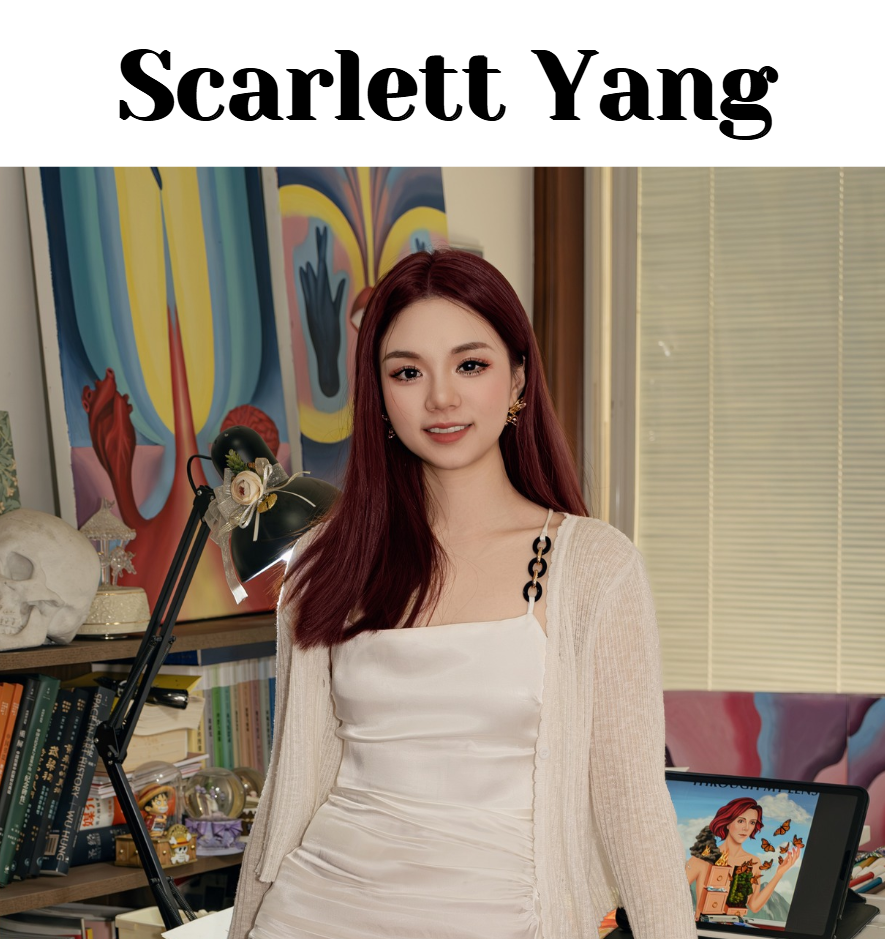
Scarlett Yang is a London-based Chinese illustrator and book cover designer. She blends Eastern and Western influences to explore identity, feminism, and human relationships. Her surreal, symbolic style embraces ambiguity and duality, inviting reflection on beauty and violence, clarity and obscurity. Her clients include Penguin Random House, Macmillan US, Hachette UK, HarperCollins UK, FairyLoot, and more.
What drew you to illustration, and how would you describe your artistic style?
I have been drawing since I was young, but I studied Environmental Design for my undergraduate degree. During that time, I realised I was more drawn to image-making, storytelling, and more artistic forms of expression, which led me to pursue Illustration for my master’s degree. I would describe my style as symbolic and surrealist, shaped by both Chinese and Western cultural perspectives. I am drawn to images that are poetic rather than direct, and I often use symbolism, surreal elements, and visual ambiguity to explore emotional experiences and social themes. My work is also built around contrasts, such as beauty and ugliness, light and darkness, or vibrant colours against darker subject matter. Rather than offering one fixed interpretation, I like to leave space for viewers to enter the narrative from their own perspective.
Can you walk us through your creative process, from idea to finished piece?
Text is usually the starting point of my creative process. For commissioned work, I begin by reading the article, manuscript, or brief very closely, sometimes almost line by line, to identify what I feel is the emotional or conceptual core of the piece. From there, I pick out key words and themes, then research symbolic elements that might represent those ideas visually. After that, I usually move into sketching, composition tests, and colour development before creating the final illustration digitally. I mainly draw my work in Procreate. For personal projects, the process often begins with writing. I might write short reflections, notes, or essays around a theme before creating a more text-based mind map. This helps me organise the logic and emotional structure of the work before I start sketching. Once the concept feels clear enough, I move into visual development and eventually the final artwork.
What inspires your work the most right now?
At the moment, I am most inspired by text and images. On one hand, I love reading and writing, which is also one of the reasons I feel so connected to publishing. I often feel that text can open up an even wider imaginative space than images. A sentence, a scene, or even a single phrase can lead me into a whole visual world. On the other hand, once I begin with text, I usually start gathering visual references from many different places. Photography, traditional oil painting, cinema, and historical imagery all feed into my visual research. I like the tension between language and image, and I think a lot of my work comes from translating something written, emotional, or abstract into a visual form.
What’s something people often misunderstand about illustration work?
I think people sometimes imagine illustration as a very glamorous job, especially when they see awards, press features, exhibitions, or published book covers. Those moments are wonderful, of course, but they are only a very small part of the work. In reality, much of being an illustrator is spent making work quietly, managing admin, handling finances, communicating with clients, promoting your practice, and constantly planning ahead. In many ways, being a freelance illustrator means running a business. It involves many of the same responsibilities that any entrepreneur has to deal with. The working hours can also be much longer than people expect. I cannot speak for everyone, but as a freelancer, there are periods where I work seven days a week, especially when several projects overlap. A lot of that labour happens behind the scenes and is not very visible. Another misunderstanding is that illustration is always well paid. In reality, good illustration often requires a lot of time spent on research, concept development, sketching, revisions, and final execution. Even when there is no commission, artists still need to keep developing their practice, building a portfolio, and learning new things. Sometimes, when all the hours are counted properly, certain jobs can fall below a fair hourly rate, which is not healthy for the long-term development of the industry.
What’s something you wish you knew when you were just starting out as an illustrator?
I wish I had understood earlier that being an illustrator is not only about making good images. It is also important to understand the business side of the profession. Things like contracts, usage rights, licensing, pricing, negotiation, and protecting your own interests are all essential skills. They can feel intimidating at first, especially for artists who just want to focus on the work, but they are part of building a sustainable practice.
I think a good illustrator also needs to learn how to manage the business around their work. That means understanding the market, communicating clearly with clients, knowing the value of your work, and not feeling ashamed to talk about money. It is not separate from the creative practice. It is what allows the creative practice to continue.
Are you working on anything exciting that you can share with our readers?
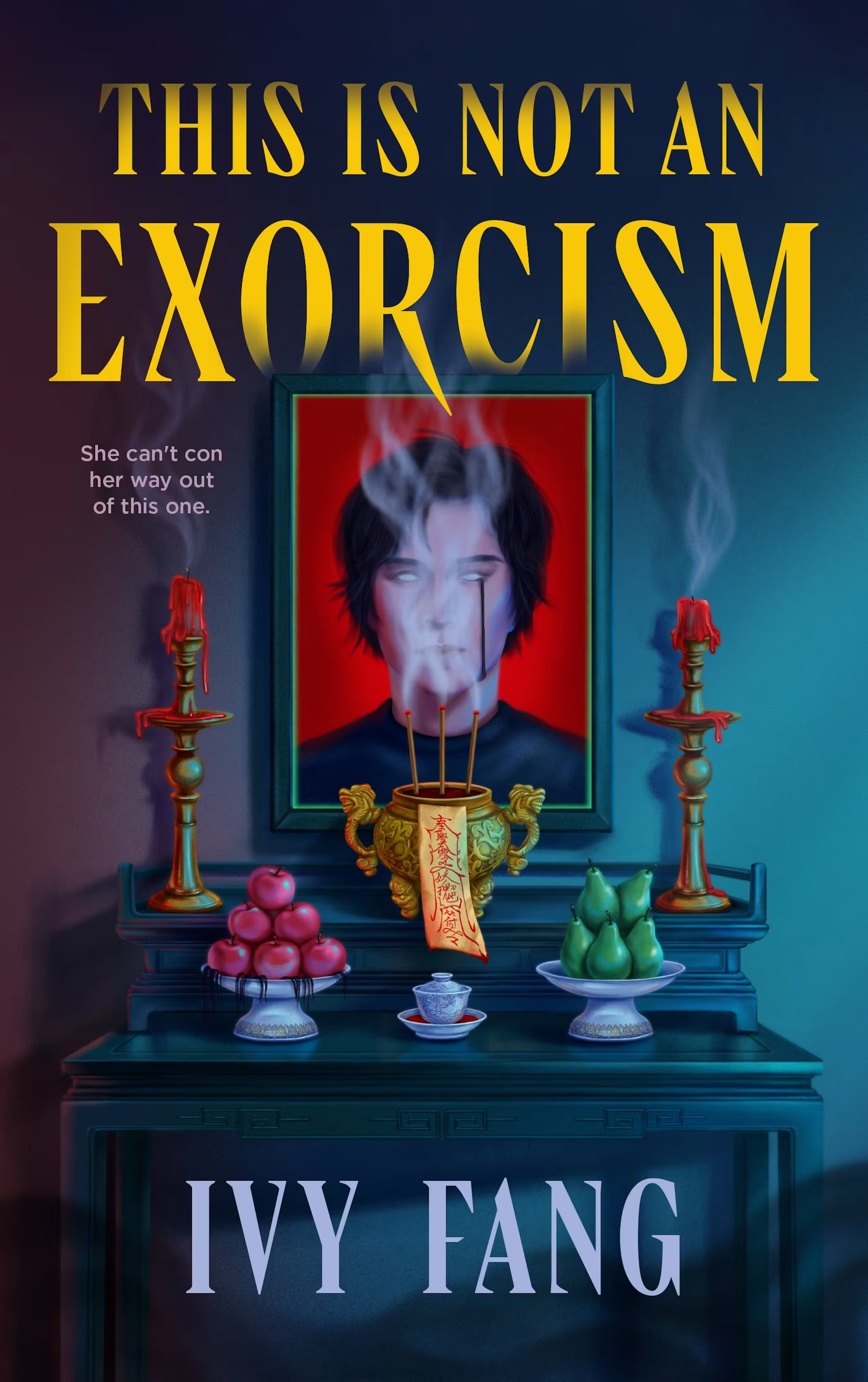
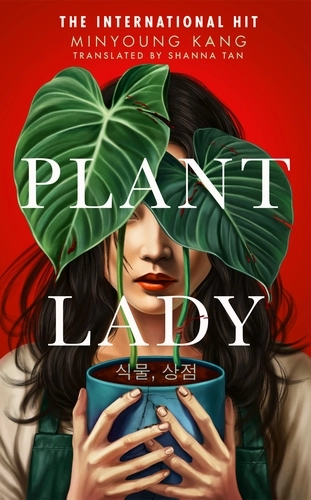
Earlier this year, I worked on several book cover projects, which has been really exciting. One of the most special ones was This Is Not an Exorcism, as it was the first time I created both the US and UK covers for the same title. It was really interesting to see how the same story could be interpreted differently for different publishing markets. Another project I really enjoyed was Plant Lady with Penguin Random House UK. For this book, I created the cover as well as six black-and-white chapter illustrations for the interior. I read the whole novel closely before developing the imagery, so it felt like a much deeper and more intimate response to the text. The book’s feminist themes and focus on female experience also connected strongly with my own artistic interests. What made the project especially memorable was that I proposed the visual direction for the interior illustrations myself, from the initial ideas through to the final artwork. The whole process was incredibly smooth, and all six illustrations were approved without revisions. Recently, much of my publishing work has been connected to horror, thriller, and dark fiction, often written by women and centred around female experience, revenge, identity, or feminist themes. These subjects resonate closely with my own long-term interests in femininity, desire, violence, and power.
To learn more about Scarlett, you can connect with her at: