When most people hear the word “fitness,” they picture a very specific type of environment: loud music, neon lights, beautiful people grunting aggressively while lifting weights, and a twenty-something trainer yelling motivational phrases like a caffeinated life coach.
And if you’re like most people, you probably don’t fully see yourself there.
In fact, you’d probably feel judged, overwhelmed, or like you don’t belong. The truth is, even a lot of the people already inside those spaces don’t feel comfortable there. I know because I’ve worked in those environments for years. Somewhere along the way, fitness stopped being about health and started becoming performance art. That’s why I kept hearing the same phrase from clients over and over again:
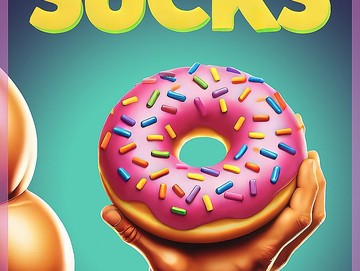
“Fitness sucks.”
At first, I thought people were joking. Eventually, I realized they were frustrated. Not lazy. Not incapable. Frustrated. That frustration became the foundation for this book.
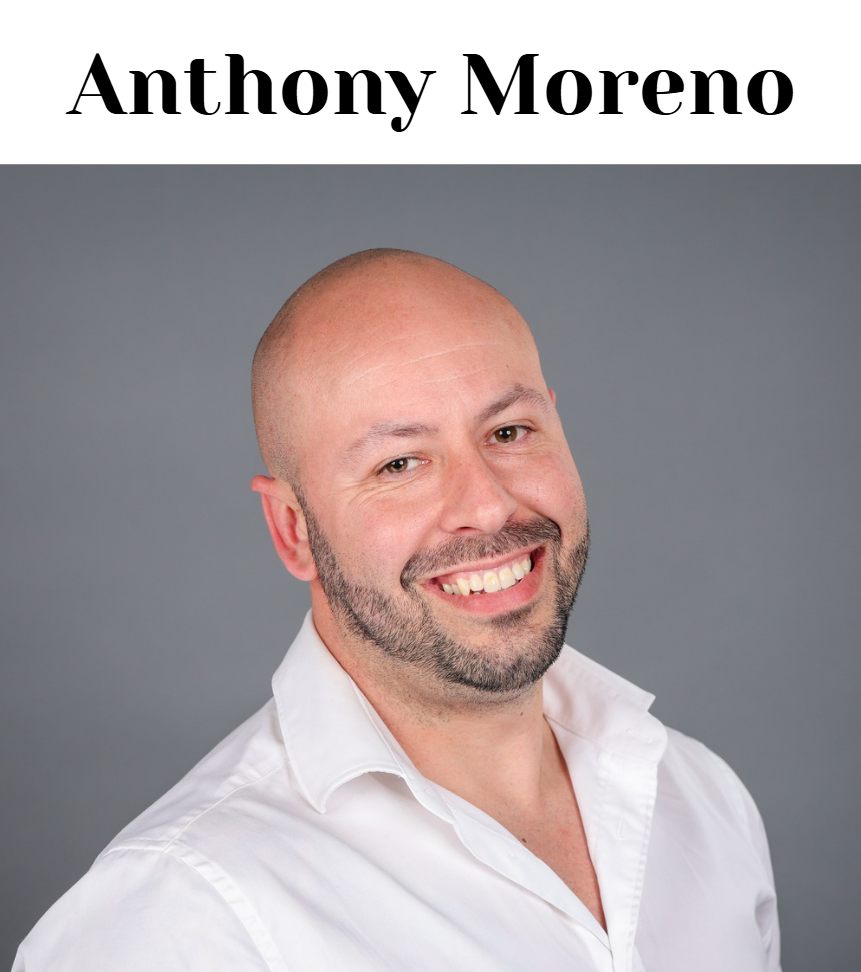
My background in fitness didn’t come from influencer culture or posting shirtless motivational videos online. Before opening gyms and coaching clients, I served in the British Army as a soldier and later in the Air Force as a firefighter. Those experiences taught me discipline, resilience, accountability, and the importance of physical and mental performance long before I ever owned a gym.
After leaving the military, I spent years training fighters, competing in martial arts, coaching clients, mentoring trainers through my partnership with NASM, and eventually opening and running multiple gyms, including The Fusion House by Boutique. I also appeared on the entrepreneurial reality show The Blox, which gave me another perspective on business, leadership, and performance.
But despite all the different people and environments I encountered, I kept seeing the same pattern: people weren’t failing because they were lazy. They were failing because fitness had become confusing, intimidating, extreme, and completely disconnected from real life. Social media made it even worse. Everywhere people looked, they were being sold six-pack shortcuts, all-or-nothing mindsets, and impossible standards that made normal people feel like failures before they even started.
Ironically, Fitness Sucks! was never originally supposed to become a book. It started as a simple document for my clients. I wanted something I could hand people when they signed up that answered all the common frustrations and mental roadblocks before we even started training.
Things like:
● Feeling intimidated by gyms
● Toxic fitness culture
● Unrealistic expectations
● Shame-based motivation
● All-or-nothing thinking
● Believing fitness “isn’t for you”
Eventually, I realized I wasn’t writing a handout anymore. I was writing a book.
The strange part is that I never saw myself as an author. I wrote this initially for my clients, but the more I developed it, the more I realized this message applied to far more people than just the ones inside my gym. This book is for busy people. People who have failed before. People who hate gyms. People who feel overwhelmed, embarrassed, or exhausted by fake fitness culture. Most importantly, it’s for people who feel like fitness was never designed for them in the first place. At its core, this isn’t really a fitness book. It’s a book about removing shame and helping people build a healthier relationship with themselves in a way that actually fits into real life. One of the biggest lessons from the book is that consistency matters far more than perfection.
I often compare fitness to taking care of a plant. Yes, plants. Stay with me.
It’s surprisingly easy to kill a plant by doing too much or too little. Overwater it? Dead. Ignore it completely? Also dead. The key is consistency. A reasonable amount of water, sunlight, and care over time keeps it alive and healthy. Humans are not that different.
Most people fail because they constantly swing between extremes. They go all in for two weeks, burn themselves out, disappear for a month, then repeat the cycle again. Fitness works much better when you stop chasing perfection and start building consistency.
Also, while we’re here, drink water consistently too.
Another major lesson from the book is that motivation is unreliable. I genuinely hate how motivation is treated like the answer to everything. Motivation is just another emotion. Some days you feel unstoppable. Other days you want to stay in bed and pretend your responsibilities don’t exist. That’s normal. The people who succeed long term are not the most motivated people. They’re the people who build systems, routines, and environments that continue functioning even when motivation disappears.
I also strongly believe fitness should fit your life, not the other way around.
Unless you are a professional athlete, there is no reason your entire identity needs to revolve around fitness. Most people try to force themselves into unrealistic routines they saw online, then feel like failures when they can’t maintain them. A good fitness plan should support your life, not consume it.
You also do not need to become a “fitness person” to improve your health. Somewhere along the way, people started believing that getting healthy meant becoming obsessed with macros, motivational quotes, and waking up at 4:30 in the morning to stare aggressively at kettlebells.
Relax.
You do not need to become an influencer to improve your quality of life. You just need to consistently make slightly better decisions over time. That philosophy is also why I believe I’m the right person to write this book. Not because I have all the answers or because I’ve built some perfect life, but because I’ve spent years coaching real people in real situations. I’ve worked with people who were intimidated by gyms, embarrassed to start, or convinced they had already failed too many times to try again.
Most people don’t need more shame or more intensity. They need realism, structure, support, and an environment where they feel comfortable enough to keep going. That mindset became the foundation of The Fusion House and the coaching philosophy behind everything I do.
The publishing journey itself has also been an experience. Going into this process, I assumed writing the book would be the hardest part. Ironically, it turned out to be the easiest. When you spend years coaching people and solving problems, eventually you develop a lot to say. The difficult part was learning how publishing actually works.
Working with Publishizer helped make that process approachable. Bethany and Myrna helped me understand that a book is more than just something you sell. It can become a platform that opens doors to podcasts, speaking engagements, mentorship opportunities, coaching programs, and larger conversations.
At the same time, all of this has happened while running a business, mentoring trainers, coaching clients, and balancing everyday responsibilities. It’s been challenging, exciting, frustrating, and rewarding all at once, but I genuinely believe this message matters.
My hope is that Fitness Sucks! helps shift the conversation around fitness away from shame, perfection, and extremes, and toward something more sustainable, practical, and human.
If you’d like to follow the journey, you can follow me on Instagram at @anthonymorenocoaching and @the_fusion_house or visit The Fusion House by Boutique to learn more about personal training, group training, mentorship, and online coaching programs.
Pre-orders for Fitness Sucks! are currently available through the Publishizer Pre-Order Page, and every bit of support helps bring this message to more people who need it.
Fitness shouldn’t feel like punishment. You don’t need to love fitness to improve your life. The goal isn’t perfection. The goal is sustainability. And if this book helps even one person stop feeling like they failed at fitness, then writing it was worth it.