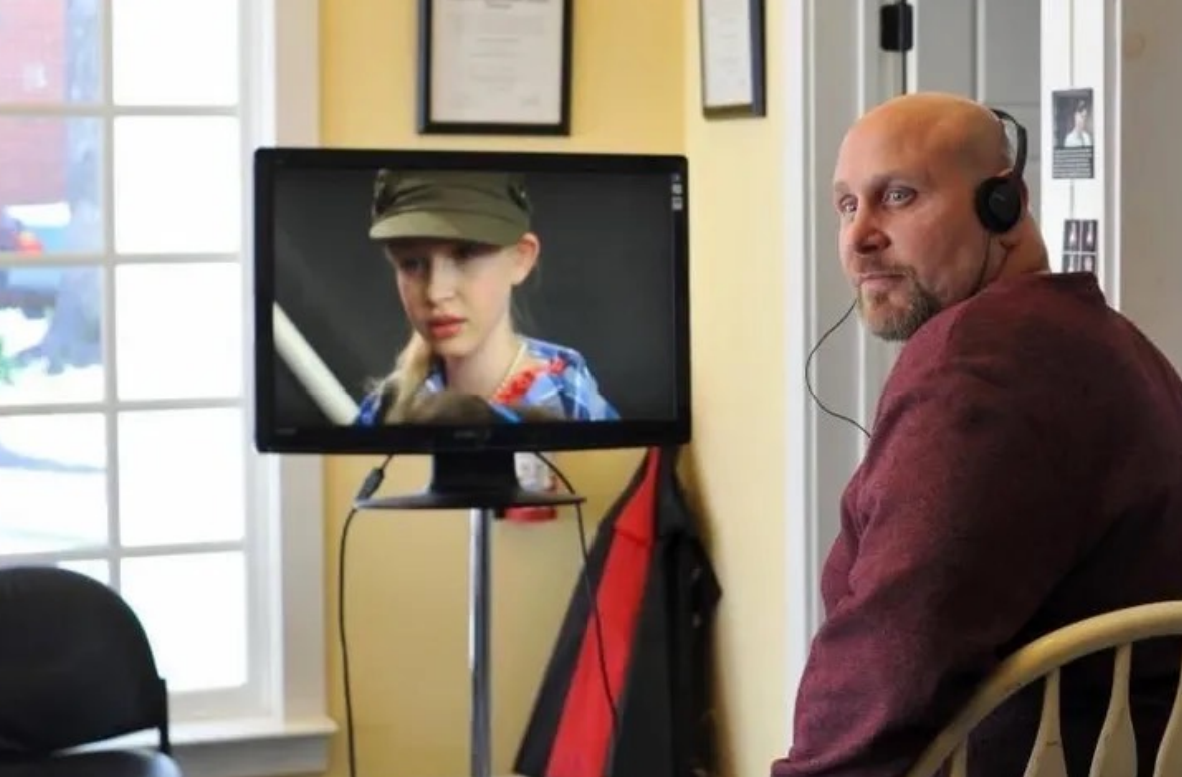
Ken Feinberg is an award-winning director, actor, and producer with a career spanning over twenty-five years across Los Angeles, New York, and Atlanta. A "triple-threat" talent, Feinberg has directed or produced over 100 films, including seven that premiered at the prestigious Cannes Film Festival. He was honored with the Outstanding Achievement Award at the Georgia Film Gala for his significant contributions to the state’s thriving film industry. We sat down to talk with Ken about deput book Acting; Beyond the Script.
Your new book is based on years of coaching young actors. What inspired you to turn your teaching methods into a book now?
Over years of coaching, I noticed a consistent pattern: acting can become so incredibly cerebral, and too many young actors get trapped in their own heads. I wanted to change that. I wanted them to be rooted in action and completely alive in the present moment. I invented a lot of acting terms to help them be present and in action. For example, I coined the term 'ET', which is an Emotional Transition. It’s a tool that helps actors express truthfully what they’re feeling. I wrote Acting, Beyond the Script now because I wanted to take these proven classroom methods and give them to a wider audience of actors.
You introduce what you call the "Buffet Method" in the book. Can you explain what that means and why it has been so effective for your students?
Acting is deeply personal and creative. I tell my students: there is no ‘right’ or 'wrong' way to do their acting. There are only more fun and interesting ways to explore a character. That’s where the Buffet Method comes in. When you walk up to a buffet, you see an incredible variety of options. You don't pile everything onto your plate; you take the things that look good to you. In my classes, I load the buffet with different technical tools, exercises, and approaches. I want actors to try everything and see what resonates. If a specific tool clicks, they get to put it in their acting arsenal and pull it out whenever they need it. It’s effective because it takes away the fear of failure and gives the actor ultimate ownership over their choices, process and fun.
Which students or former students stand out as success stories, and what has it been like watching their careers unfold?
It has been one of the greatest joys of my life to watch so many of the young actors who came through my programs go on to build incredible careers. I always say that I can’t take credit for their success—they are the ones who stepped into the audition rooms, booked the roles, and did the grueling work.
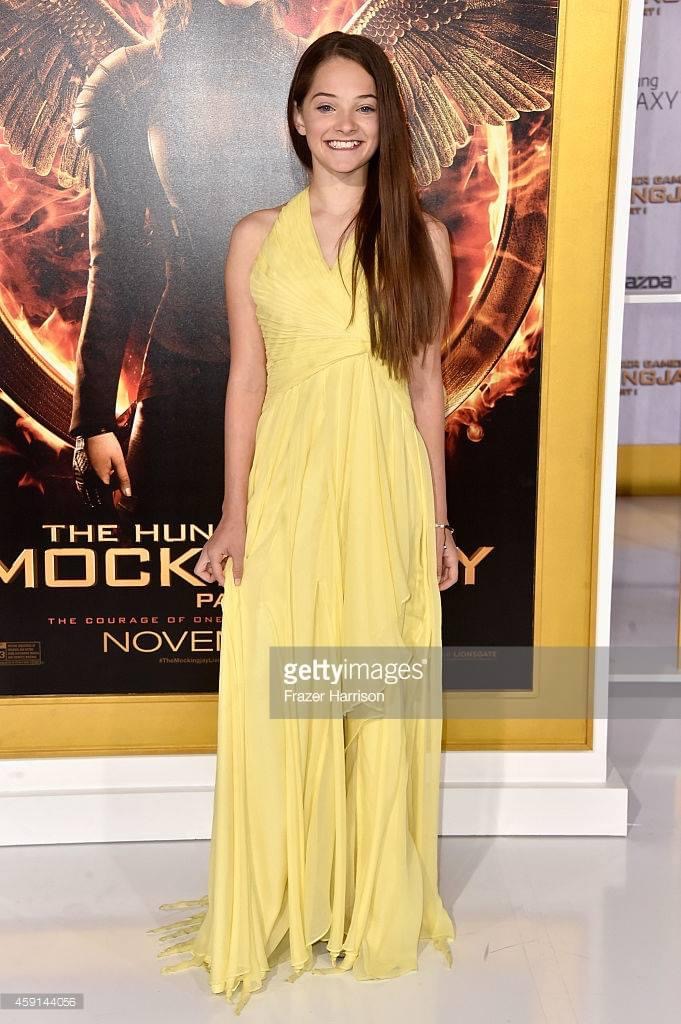
But I was fortunate enough to be there at the very beginning of their journeys, helping them build the creative foundation they still rely on today. Seeing alumni like Emmy winner Storm Reid, Madison Thompson, Julia Reilly, Jenna Kanell, SAG Award winner William Harrison, Lexi Minetree, Kyla Drew, Jasun Jabbar, Isaiah John, Elijah Marcano, Erika Bierman, and so many others thrive in this industry is a beautiful thing. Watching them use the very tools we practiced in class on major Hollywood sets is the ultimate validation of everything I teach in Acting, Beyond the Script.
What separates the students who turn talent into lasting success from those who struggle to break through?
I talk about this constantly with my students, and I dedicate a lot of space to it in the book. Breaking through requires two distinct things: number one, you have to get the opportunity. But number two (and this is where people stumble) you have to know what to do with that opportunity when it hits. Early in my own career, I had open doors that I completely blew because I didn't know how to handle them yet. Look at former student, Lexi Minetree, who is starring as Elle Woods in the prequel series Elle. In her recent interview with Jimmy Fallon on The Tonight Show, she talked about stepping into that massive audition. She didn't just walk in and passively read the lines on the page. She brought a specific, bold, creative idea to the table. She operated with an attitude I drill into my actors: “This is my version of the character. If you hire me, this is what you’re getting.” That ownership, that willingness to make a definitive choice instead of trying to guess what the casting director wants, is exactly what separates working actors from those who stay stuck.
Your book emphasizes collaboration over competition. In an industry often viewed as highly competitive, why is that mindset so important for young actors?
I am incredibly adamant about this. From the moment we enter elementary school, we are conditioned to be fiercely competitive. We’re told we have to get better grades than our classmates, beat the other team in sports, and outshine everyone else. But the truth is, in art and in life, we get so much further when we collaborate and lift each other up. I tell my students all the time: you could be up for the exact same role, sitting in the same waiting room, and you should still help each other prepare. Why? Because it doesn’t matter who else is auditioning. Your only job is to bring your unique artistic truth to the character. Having sat on the other side of the table casting television pilots, I can tell you firsthand: the producers and directors aren't looking at the hallway thinking about competition. They are looking into the room, hoping to find someone who is prepared, professional, and brave enough to bring an original creative choice to the table. When you shift from a mindset of scarcity to one of artistic community, the anxiety melts away, and your work thrives.
If readers could only walk away with one idea from your book, what do you most want them to understand about the craft of acting?
If there is one singular takeaway, it’s that the craft of acting isn't just confined to a stage or a film set. At its absolute core, acting is about authenticity. It is about the deeply human practice of connecting to your inner self, recognizing your true feelings in real-time, and having the courage to express those feelings honestly to another person. I tell my students all the time: you cannot just talk at somebody. You can't just recite lines. True acting requires you to be entirely locked in: listening, feeling, and responding to what is happening right in front of you. If readers can walk away with that mindset, they won't just become better actors; they’ll become better communicators and more present human beings. That is what I want people to find when they look beyond the script.
To learn more about Ken Feinberg, you can connect with him at: https://creativestudiosofatlanta.com/our-studio
Pre-order Acting, Beyond the Script HERE!